
NAYONIKAA SINGHAAL
PHOTOGRAPHER
LAYOUT EDITOR
4/13/2026
Airports across the United States have become part of a growing national discussion on immigration enforcement after U.S. Immigration and Customs Enforcement agents were deployed to several major travel hubs.
The change began in March 2026, when federal officials announced that ICE personnel would be stationed at more than a dozen airports. The decision came during a partial government shutdown that left the Transportation Security Administration short staffed.
According to reporting from The Washington Post, TSA wait times at some airports increased by more than 30% during the shutdown as officers missed work or were reassigned.
Federal officials said ICE agents were brought in to help with basic airport operations such as crowd management and monitoring entry and exit points. This was intended to allow TSA officers to focus on screening passengers and luggage. Officials stated that ICE agents were not replacing TSA screeners.
Even so, the presence of immigration enforcement officers in airports raised questions among lawmakers, travellers and civil liberties groups. Some members of Congress asked for clarification on whether ICE agents could conduct immigration enforcement while stationed in airports.
Federal agencies have not provided a detailed public explanation of the limits of ICE authority in these settings. Critics argue that ICE agents are not trained for aviation security roles and that their presence can create confusion or anxiety for travellers, especially those from immigrant or international backgrounds.
Supporters say the additional personnel help airports manage staffing shortages during periods of high travel demand.
“There is a difference between security and enforcement, and that line can feel blurred in an airport. Even if nothing is happening directly, people are more aware of who is around them,” said Nayeli Santana Venegas (‘27).
Federal agencies maintain that standard airport procedures remain in place and that most travellers will not interact with ICE personnel. In many airports, the agents’ responsibilities are limited and not always visible to the public.
“A secure environment is one where people can live, work, and grow without constant fear. My hope is that this is the goal society and systems strive for,” said Kenley Riley (‘28).
For college students traveling to national conferences, these developments have become part of a broader awareness of how public policy shapes everyday experiences.
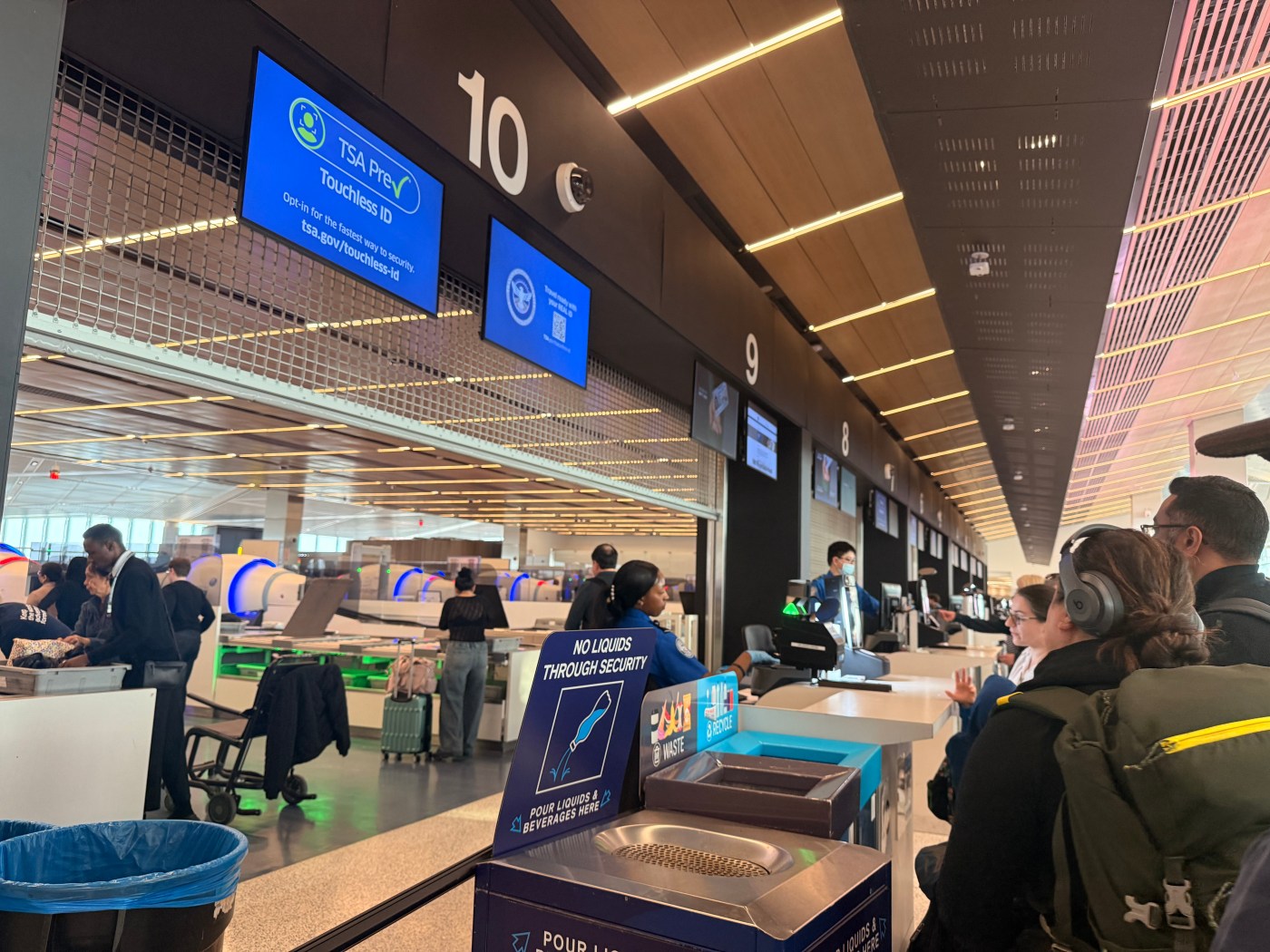
Members of the Alma College Model United Nations team recently travelled to New York City for the NMUN conference, flying through Detroit Metropolitan Wayne County Airport, John F. Kennedy International Airport and Newark Liberty International Airport.
Students said their travel experience was smooth and that they did not see any clearly identifiable ICE agents. Still, many were aware of the national conversation surrounding airport enforcement.
“We did not see anything out of the ordinary, but knowing what has been in the news made us more aware of our surroundings,” said Wassim Guerfali (‘27), a member of the Model UN team.
As debates over immigration policy and airport security continue, the presence or perceived presence of ICE agents in airports remains a developing issue. For many travellers, it has become part of how they understand security and enforcement in the United States.


Leave a Reply