
ABIGAIL SHAUB
PHOTOGRAPH
ADITYA HIREMITH
STAFF WRITER
2/23/2026
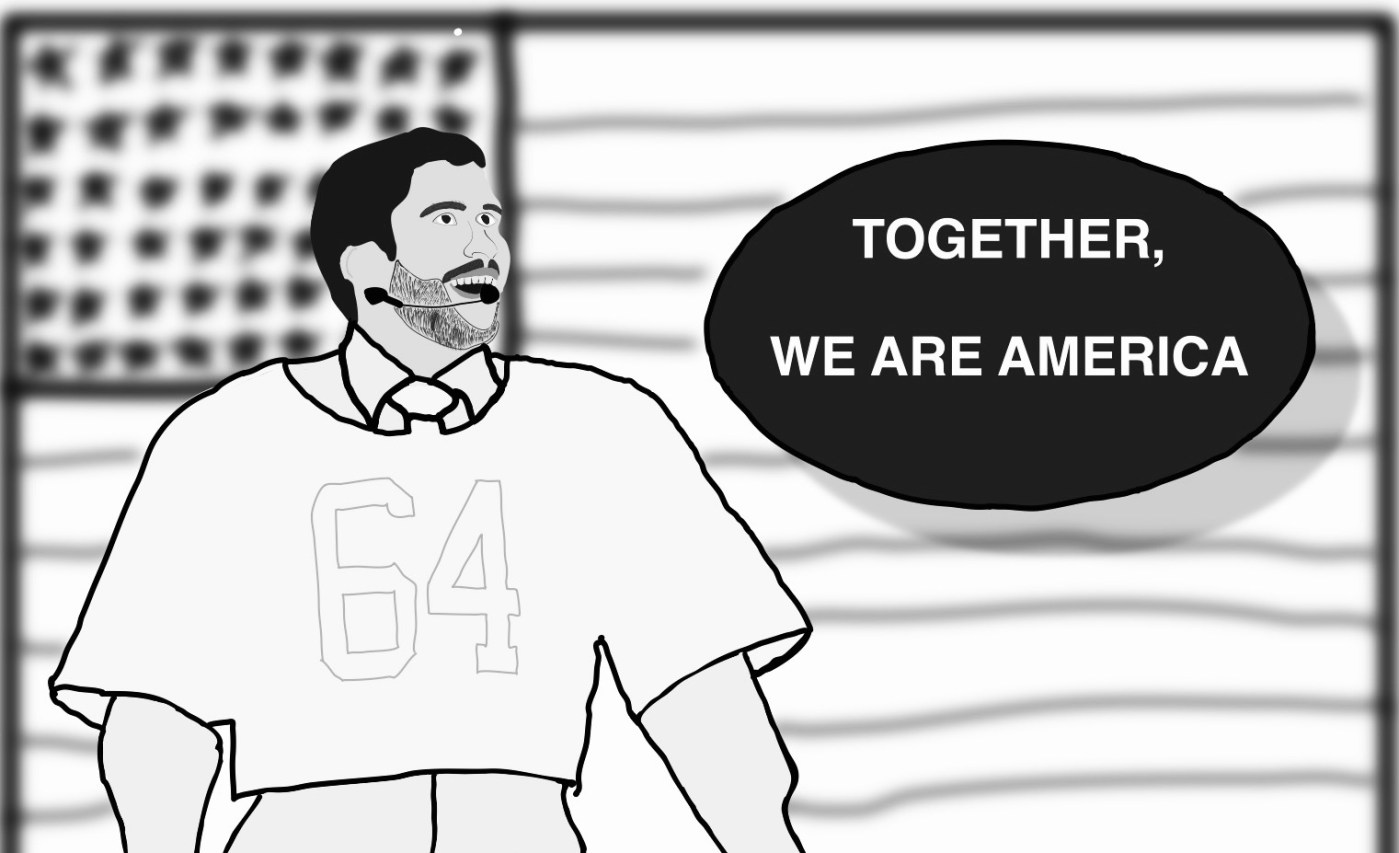
As this year’s Super bowl halftime show took over televisions across the country, viewers saw a performance that went beyond music and spectacle.
Headlined by Bad Bunny, the show blended choreography, scenic design and cultural representation in a way that sparked both admiration and reflection among fans.
While halftime performances are often judged by their energy and star power, many viewers felt this show stood out for deeper reasons. Some entered the night unfamiliar with Bad Bunny’s music yet left impressed by the overall execution.
“I’ve never listened to Bad Bunny before but I thought it was a great halftime show, amazing choreography and scenic design,” said Logan Mollitor (’29). This reaction reflects a broader response from audiences who may not have followed his career but were drawn in by the scale of the production.
The performance featured coordinated dancers moving in precise formations, vibrant lighting effects and a layered stage design that transformed the stadium into a dynamic performance space.
Every transition felt intentional, keeping momentum from beginning to end. The visual storytelling matched the rhythm of the music, creating an immersive experience for viewers both in the stadium and at home.
Surprise elements also played a key role in audience engagement. When Lady Gaga joined the performance, the collaboration brought an added level of excitement and theatrical presence. Her appearance showed how halftime shows often thrive on unexpected moments that energize the crowd.
“I also loved when Lady Gaga came out too but they should have also brought Bruno out,” said Mollitor, referencing Bruno Mmars, another performer who could have added to the collaborative energy of the night.
While not every expected guest appeared, the combination of star power and production quality left a strong impression.
The impact of the performance reached beyond choreography and celebrity appearances. It became a moment of cultural visibility on one of the largest entertainment stages in the world.
“Watching Bad Bunny on that stage made me feel culturally seen in a way I never have during a Super Bowl halftime show. Not just because of the music but it was about its representation and showing the world that our culture needs to be recognized,” said Iris Jimenez (’27). This perspective highlights the significance of representation during nationally televised events.
The Super Bowl has historically featured major artists, yet not every community has felt equally represented in those performances.
Bad Bunny’s set incorporated Spanish lyrics, Latin rhythms and visuals rooted in his Puerto Rican identity without dilution.
Rather than adapting his style to fit traditional expectations, Bad Bunny brought his full artistic identity to the stage. The choreography, musical choices and visual elements worked together to celebrate cultural pride while still appealing to a broad audience.
Overall, reactions suggest that this halftime show will be remembered not only for its production value but also for its meaning. viewers praised the choreography and stage design while others focused on the emotional impact of feeling represented.
This halftime show proved how entertainment can serve both as spectacle and as a statement.
As halftime performances continue to evolve, this year’s show may stand as an example of how artistry and cultural recognition can share the same spotlight.
 The Almanian: News
Leave a Reply