
LINDSEY ZARKA
GRAPHIC DESIGNER
GAGE MITCHELL
STAFF WRITER
11/3/2025
While the internet is easy to take for granted, it is a remarkably complex web of physical and programmed components. Earlier this month, one of those components sent a stark reminder of how fragile the internet ecosystem really is.
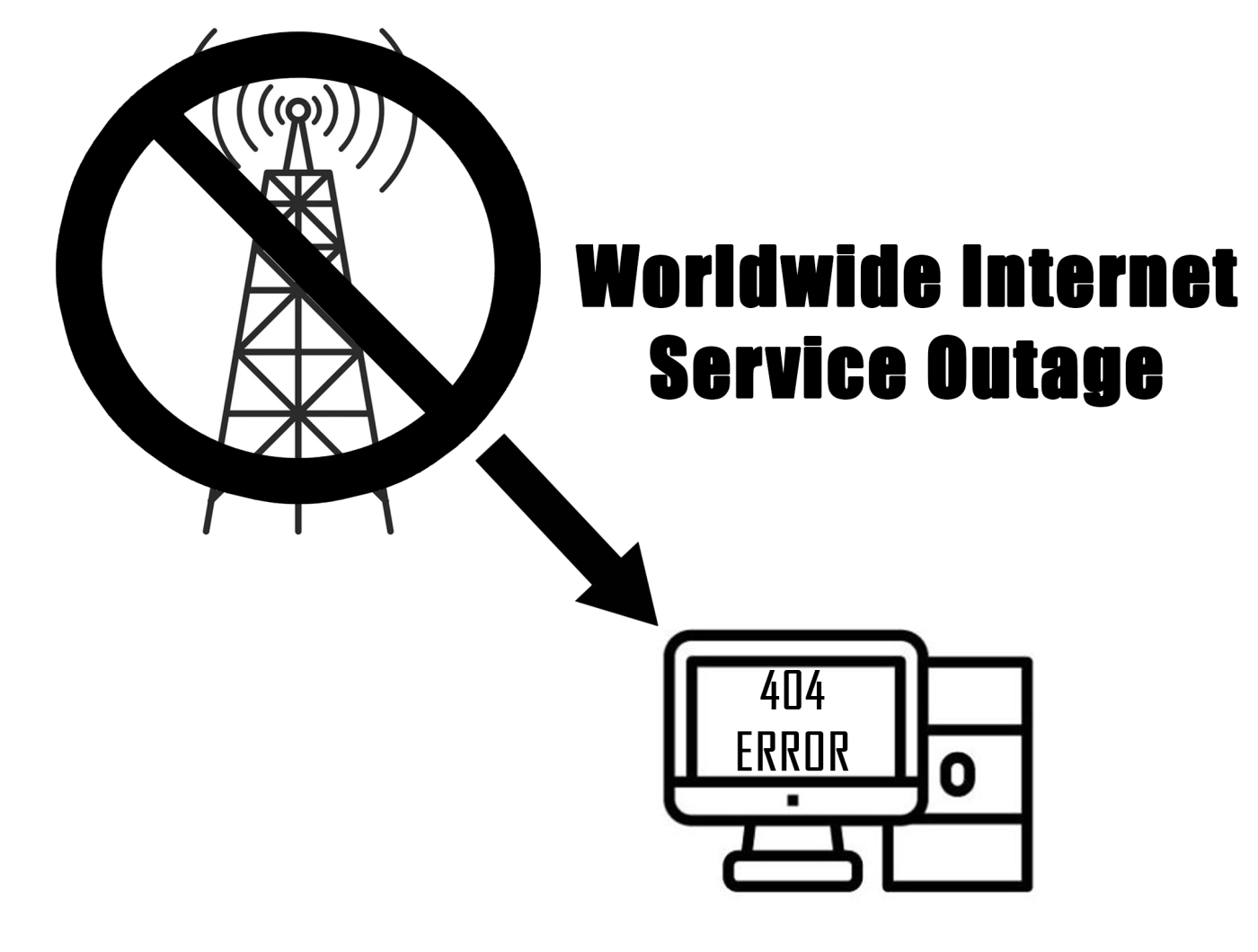
Amazon Web Services, a global cloud software subsidiary of Amazon which provides web services, cloud computing and APIs (Application Programming Interfaces), went down on Oct. 20. The platform provides online service to individuals, corporations, and governments around the world.
Amazon Web Service handles approximately 6% of all websites worldwide, including 23% of the top million websites. Netflix, Disney, LinkedIn, NASA, McDonalds and ESPN are just some of the many global companies and organizations which use Amazon Web Services. Over the course of ten hours on Monday, over 16 million people from 60 countries reported outages, with the total number of outages likely much higher.
“[It] looks like a technical fault affecting one of Amazon’s main data centers, the internet was originally designed to be decentralized and resilient… so much of our online ecosystem is concentrated in a small number of cloud regions. When one of those regions experiences a fault, the impact is immediate and widespread,” said Rob Jardin, cybersecurity specialist in an interview with CNN Business.
Alma students may have noticed that Canvas was one of the affected platforms. Canvas is the program of choice for Alma College faculty to share assignments, materials and grades with students. It essentially functions as a 24/7 online classroom.
“I was hoping [Canvas] would stay broken so I could have an excuse not to do my work,” said a student who wished to remain anonymous.
On Oct. 24, Amazon revealed that the cause of the outage was their own error. According to Amazon, the issue was a defect in their Domain Name System. A DNS is essentially the phonebook used by the internet, translating readable domain names, like alma.edu, into IP addresses used by computers to communicate with each other. The DNS makes sure that the website name you enter connects you with the correct website.
When the DNS went down, Amazon Web Services was no longer able to connect users to the services they were trying to use. The location which faced the issue, AWS US-East-1 located in North Carolina, handles 35-40% of global Amazon Web Service traffic in dozens of countries. Normal operations resumed Monday afternoon, with onsite improvements expected to take place in the near future.
“While we have a strong track record of operating our services with the highest levels of availability, we know how critical our services are to our customers, their applications and end users, and their businesses, we know this event impacted many customers in significant ways,” said Amazon in a global statement.
At any moment, problems like this can grip any part of the global web service industry. Whether it is the result of an oversight like this one, natural disasters, or cybersecurity threats, internet services face regular challenges to serving their essential purposes.
 The Almanian: News
Leave a Reply