
NAYONIKAA SINGHAAL
GRAPHIC DESIGNER
STAFF WRITER
10/6/2025
The Trump administration has created a wave of concern across the U.S., particularly among immigrants. H1-B visas are awarded to immigrants seeking jobs in the U.S., and they are part of a lottery system with less than a 30% chance of winning. Even after winning an H1-B visa, companies were previously expected to pay $1,000–$3,000 to the federal government.
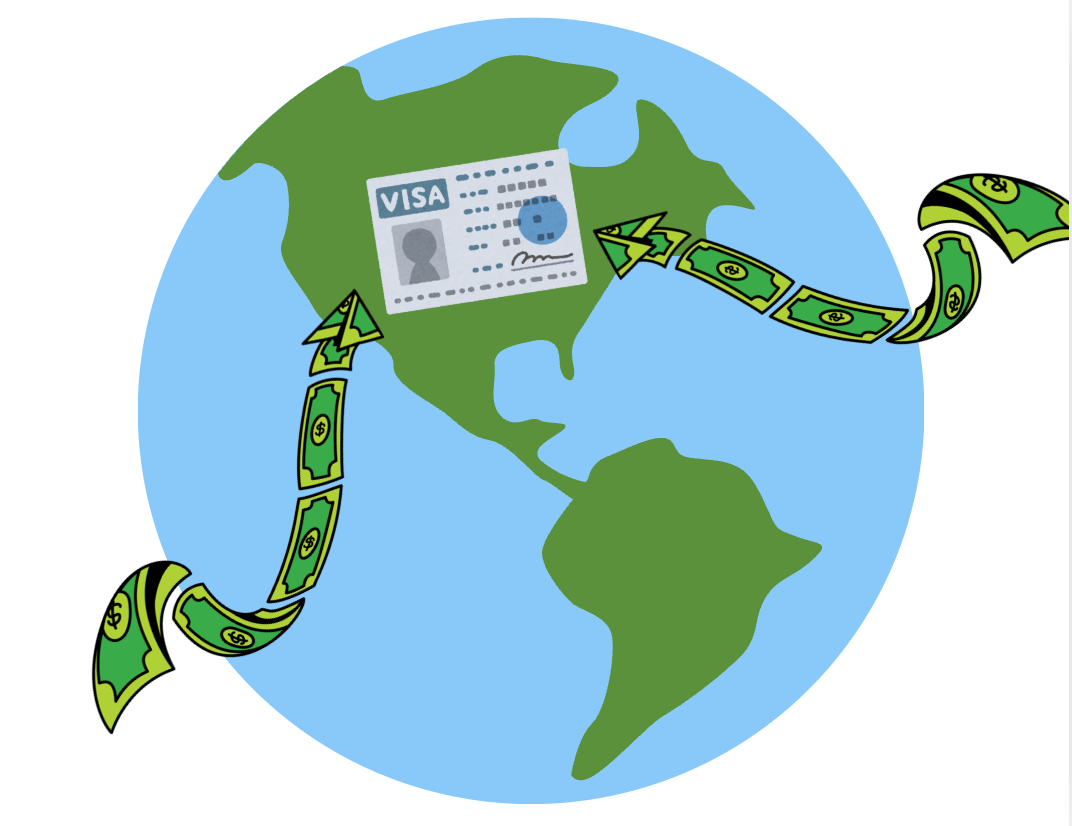
This changed in September 2025, when President Donald Trump announced $100,000 annual fees that companies must pay to hire an international worker. The initiative was presented as a way to reduce immigration by encouraging companies to hire more American workers while still allowing highly skilled international talent. Industries most affected include technology and healthcare, where H1-B holders make up 22% and 17% of the workforce, respectively.
Many of Alma’s international students voice their widespread anxiety about their future employment opportunities after graduation.
“I feel how all international students feel: scared,” said Khalil Chalouati (’26), an international student at Alma.
The new policy is expected to delay medical care in underserved communities and raise the cost of hospital staff, which could ultimately increase healthcare costs for patients. Technology companies may resort to outsourcing or relocating roles abroad, potentially leading to slower service and longer response times.
Additionally, many skilled workers may choose to seek employment in countries with more welcoming visa policies, such as Canada or the U.K., which could weaken U.S. leadership in AI, quantum computing, and biotechnology.
“I worry that this could affect my ability to work in the U.S. after graduation,” said Perci Wolday (’27) an international student at Alma College.
Supporters of the policy argue that the new fees will encourage companies to prioritize hiring qualified U.S. workers and generate billions in federal revenue, which could be reinvested in workforce development, education, or immigration enforcement. The policy may also incentivize companies to sponsor workers they intend to retain long-term rather than using H1-B visas as a short-term staffing solution. By increasing accountability, many suggest this measure could strengthen the domestic labor market while maintaining access to global talent.
It is important to understand who is affected by this policy. First-time H1-B applicants will bear the most impact, while current H1-B holders are largely unaffected unless they leave the country for over a year. The policy also does not affect individuals extending or transferring existing H1-B visas or those on other visa categories, including O1, L1, J1 and F1.
“Personally, I am not as worried because I will try to go to graduate school right after Alma, so I will be on F-1 visa,” said Chalouati.
For Alma College, the immediate impact is indirect but notable. Most international students are on F1 student visas, so their current status remains secure. However, the policy could influence their ability to secure U.S. employment after graduation. The International Student Department has been helpful in visa navigation and global opportunities, as the Career Peer Department continues to provide guidance on potential career paths.
These efforts aim to ensure that Alma’s international community can adapt to changing policies while continuing to pursue meaningful and impactful careers.


Leave a Reply